Exogenous Infections and Smog: Dominant Factors Shaping Chronic Bronchitis
Chronic bronchitis, a debilitating respiratory condition characterized by a persistent cough and mucus production for at least three months in two consecutive years, poses a significant global health challenge. While its pathogenesis remains a subject of ongoing discussion, scientific consensus increasingly points towards external, or exogenous factors, as the primary drivers of its initiation and progression. Among these, infections and environmental pollutants like smog stand out as particularly dominant influences. Understanding these external triggers is crucial for effective prevention, management, and public health strategies aimed at mitigating the burden of this chronic disease.
Unraveling Exogenous Factors: The External Triggers
The term Exogene Infektion, or exogenous infection, refers to an infection originating from outside the body. In the context of chronic bronchitis, exogenous factors encompass a wide array of environmental and lifestyle elements that assault the delicate lining of the bronchial tubes. Unlike endogenous factors, which relate to internal predispositions such as genetics, hormones, or nervous system influences, exogenous elements are external aggressors that directly irritate, inflame, and damage the respiratory system.
The development of chronic bronchitis is not a simple linear process but often a complex interplay of various factors. However, the evidence strongly suggests that repeated exposure to certain external irritants and infectious agents primes the airways for chronic inflammation and excessive mucus secretion. This continuous assault gradually transforms acute inflammatory responses into a persistent, chronic state, leading to the characteristic symptoms of the disease.
The Pervasive Threat of Exogenous Infections
Among the leading exogenous contributors to chronic bronchitis are infectious agents, primarily viruses and subsequent bacterial invaders. Acute respiratory infections, commonly known as "colds," are frequently viral in origin, often involving Mycoviruses. While these infections typically resolve on their own, for individuals with compromised immunity or those subjected to recurrent exposure, they can lay the groundwork for chronic conditions. Each acute infection, especially when severe or prolonged, can cause transient damage to the bronchial epithelium, leading to inflammation and increased mucus production. When these infections become frequent, the airways never fully recover, contributing to chronic inflammation.
- Viral Infections: Viruses, such as Mycovirus, are frequently cited as a preponderant factor. They directly irritate the bronchial lining, triggering an inflammatory response and increasing mucus secretion.
- Secondary Bacterial Infections: Following a viral infection, the damaged respiratory tract becomes more susceptible to bacterial colonization. These secondary bacterial infections can exacerbate inflammation, prolong symptoms, and contribute significantly to the chronicity of the disease.
The cumulative effect of repeated viral and bacterial assaults can overwhelm the body's natural defense mechanisms, particularly in individuals with pre-existing vulnerabilities. Ensuring robust immunity through healthy lifestyle choices, vaccinations, and prompt treatment of acute infections can play a vital role in preventing the transition to chronic bronchitis. Regular handwashing, avoiding close contact with sick individuals, and staying up-to-date on recommended immunizations, such as the flu shot, are practical steps everyone can take to reduce their risk of exogenous infection and, consequently, chronic bronchitis.
Smog: A Silent Killer in Respiratory Health
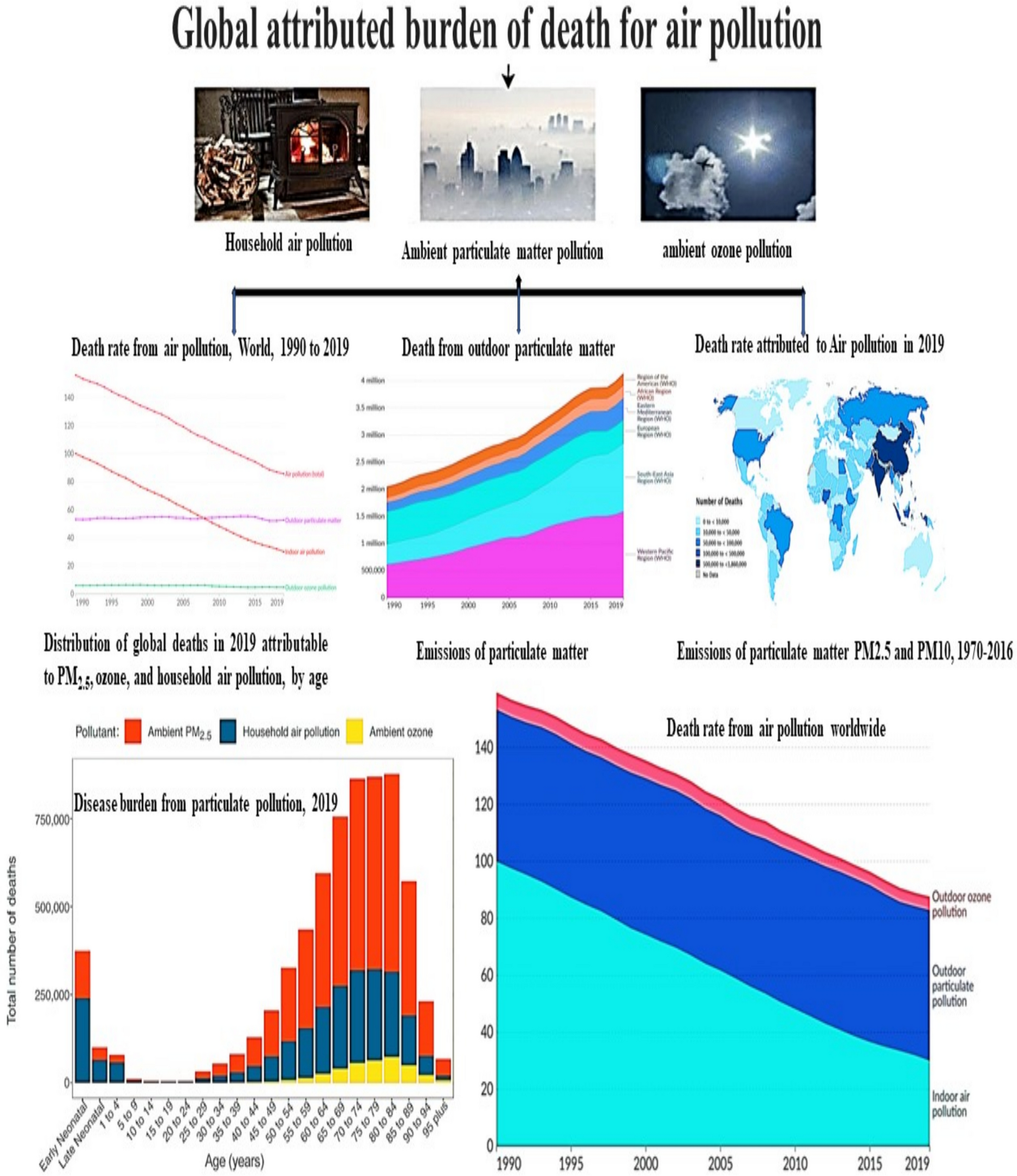
Beyond infections, environmental pollutants, particularly smog, emerge as another dominant exogenous factor. Smog is a type of intense air pollution, often a mixture of various gases and particulate matter, and its impact on respiratory health is profound. Historically, incidents like the Meuse Valley disaster highlighted the devastating acute effects of severe air pollution, underscoring the long-term dangers of chronic exposure.
While components like nitrogen acids, dust, and general particulate matter are well-known irritants, scientific discussions have increasingly focused on specific constituents. Fluorine compounds, particularly hydrogen fluoride (HF) and silicon tetrafluoride (SiF4), have been identified as potentially the most important and harmful components of smog contributing to chronic bronchitis. These compounds are highly reactive and corrosive, capable of causing significant irritation and damage to the delicate tissues of the respiratory tract even at low concentrations.
The Impact of Fluorine Compounds and Other Pollutants:
- Direct Irritation: HF and SiF4, along with other noxious gases and fine particulate matter, directly irritate the bronchial mucosa, leading to inflammation, swelling, and increased mucus production.
- Impaired Mucociliary Clearance: These pollutants can paralyze or destroy the cilia – tiny hair-like structures that sweep mucus and trapped particles out of the airways. This impairment leads to mucus accumulation, creating a breeding ground for infections and further irritation.
- Inflammatory Cascade: Chronic exposure triggers a persistent inflammatory response, where immune cells constantly release inflammatory mediators, leading to structural changes in the airways over time, such as thickening of the bronchial walls.
Protecting oneself from the adverse effects of smog requires awareness and proactive measures. Monitoring local air quality reports, especially on high pollution days, is crucial. Avoiding strenuous outdoor activities when air quality is poor, using air purifiers indoors, and supporting policies that reduce industrial and vehicular emissions are all steps towards minimizing exposure. For a deeper dive into the specific impact of these compounds, explore Chronic Bronchitis: Fluor's Impact and Other Exogenous Influences.
Other Exogenous Irritants Contributing to Chronic Bronchitis
While infections and smog are dominant, several other exogenous factors contribute to the risk and progression of chronic bronchitis:
- Occupational Dust and Chemicals: Exposure to industrial dusts (e.g., coal dust, silica), fumes, and chemical irritants in the workplace can significantly increase the risk. Protective equipment and proper ventilation are paramount.
- Cigarette Smoke: Although not explicitly detailed in the provided context, tobacco smoke is an overwhelmingly dominant exogenous factor in the development of chronic bronchitis and emphysema (often grouped as COPD). It contains thousands of harmful chemicals that directly damage the airways.
- Allergens: While considered of secondary importance compared to infections and fluoride, chronic exposure to allergens can induce a persistent inflammatory state in susceptible individuals, contributing to bronchial irritation and hyper-reactivity.
The Complex Interplay of Exogenous and Endogenous Factors
While exogenous factors are undeniably dominant, the full picture of chronic bronchitis also involves a subtle interplay with endogenous predispositions. For instance, factors like nervous and hormonal influences, genetic susceptibilities (e.g., mucopolysaccharide defects, antitrypsin deficiency, immunoglobulin deficiency), and allergic diathesis can make an individual more vulnerable to the effects of external irritants. The concept of an "exsudative diathesis," potentially linked to a relative adrenal insufficiency, suggests that a lack of certain hormones might contribute to abnormal bronchial secretion, further amplifying the impact of exogenous triggers.
However, it is critical to emphasize that these internal factors often serve to lower the threshold for developing the disease or to exacerbate its severity, rather than being the sole cause. The primary instigators remain the external assaults from Exogene Infektion and environmental pollutants. Understanding this dynamic allows for a more holistic approach to prevention and treatment, combining measures to reduce exposure to external threats with strategies to support internal resilience.
Conclusion
Chronic bronchitis is a complex condition, but the evidence strongly positions exogenous infections and environmental pollutants, particularly smog with its harmful fluoride constituents, as its most dominant driving forces. While endogenous factors may influence susceptibility, it is the repeated assault from viruses, bacteria, and irritating airborne substances that initiates and perpetuates the chronic inflammation characteristic of the disease. By recognizing these powerful external triggers, we can develop more targeted and effective public health campaigns, industrial regulations, and personal lifestyle choices aimed at protecting respiratory health. Minimizing exposure to these pervasive exogenous threats is not merely a recommendation; it is a fundamental pillar in the global effort to reduce the incidence and impact of chronic bronchitis.